
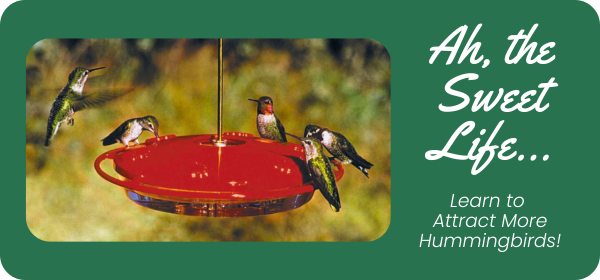
Want More Hummingbirds in Your Yard?
- Put out a quality hummingbird feeder.
- Make or buy healthy nectar.
- Plant flowering native plants.
Read on for details.
Feeders: Choose and Place Wisely
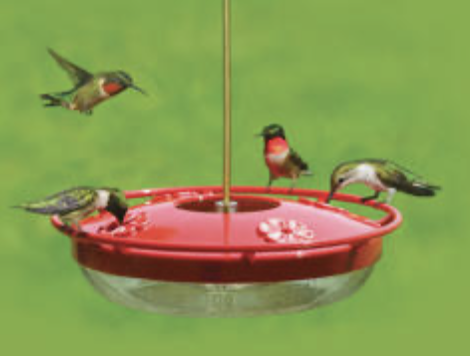
Look for a red or red-accented hummingbird feeder to mimic the plants they naturally feed on. Look for good design features, too. WBU feeders are the best on the market because they're designed to:
- Prevent leaks, which avoids waste and deters yellow jackets
- Keep ants away with built-in ant moats
- Allow birds to feed while either hovering or perched—the perches let birds rest and give you more viewing time
- Give you excellent visibility to birds feeding on all sides
- Be easy for you to clean
Once you have your feeder, place it in a spot where it's safe from cats and you can see it easily. We carry a variety of poles and hooks to help you hang your feeder.
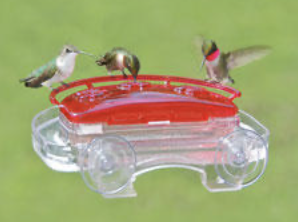
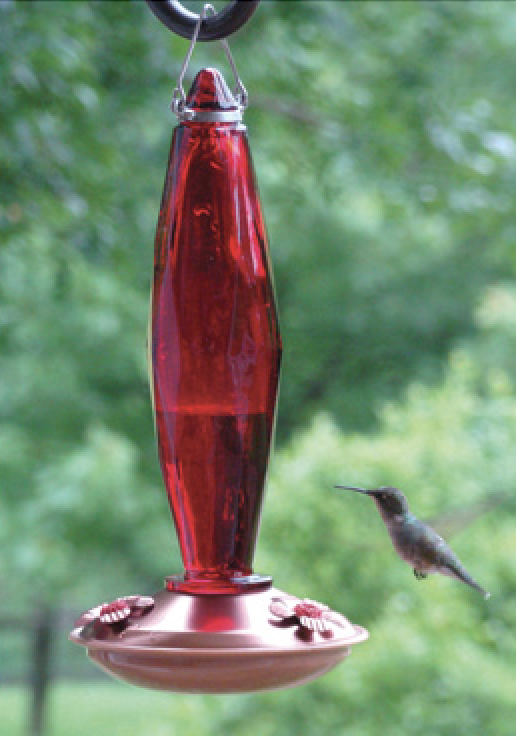
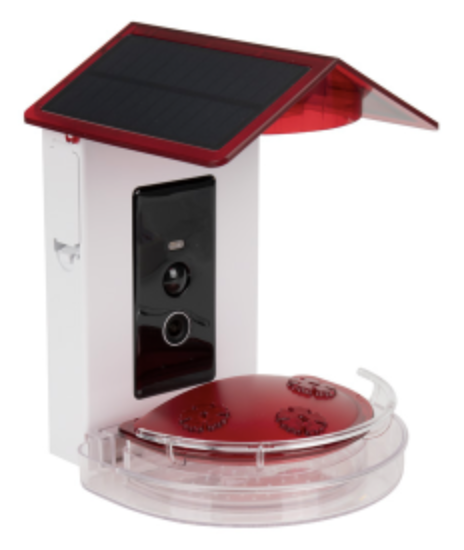
Check out our classic WBU hummingbird feeders, available on our webshop—including feeders that suction on to windows for up-close views! Stop in to see some beautiful glass feeders. We also carry smart feeders that let you watch the action right on your phone.
 |
 |
|
WBU High Perch™ Hummingbird Feeder
|
WBU Window Hummingbird Feeder
|
 |
 |
|
Glass Feeder |
BirdReel Smart |
Make or Buy a Healthy Nectar
If you have time, it's easy to make your own nectar:
- Dissolve 1 part white table sugar into 4 parts hot water.
- IMPORTANT DON'TS: Don’t add red dye (natural nectar is clear) or extra sugar, and don’t use honey, raw sugar or sugar substitutes. These aren't good for your birds.
- Cool your nectar before using, then refrigerate the rest for up to a week or so.
- Valley heat can make nectar go bad quickly, so replace the nectar in your feeders every couple of days to prevent bacteria and mold.
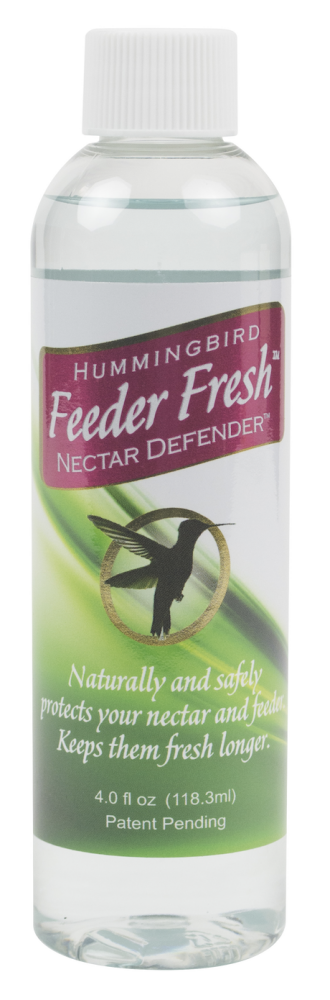
- PRO TIP: Add WBU Feeder Fresh™ Nectar Defender™ to your nectar to extend its life. It contains a bird-safe mineral micronutrient (copper sulfate) that helps prevent the nectar from fermenting and keeps it fresh for up to 2 weeks. In fact, copper sulfate is part of hummingbirds' natural diet.
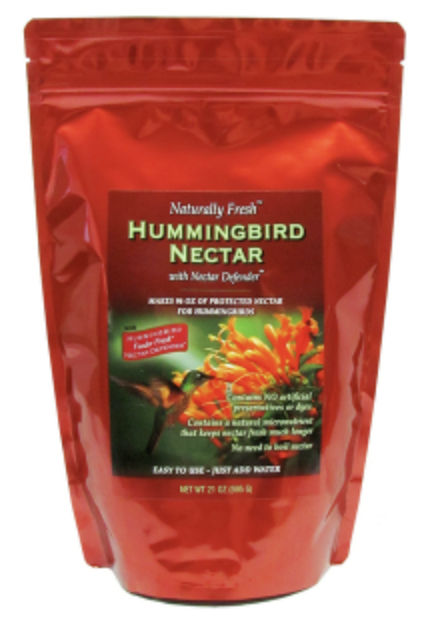
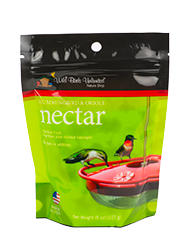
Or, save yourself some time with WBU's Hummingbird & Oriole Nectar or Hummingbird Nectar Mix with Nectar Defender™.
Plant Flowering Natives
Plant Texas natives that produce tubular flowers, especially red or orange ones. Examples include:
- Salvia: Mealy-Cup or Blue Sage (Salvia farinacea); Autumn Sage (Salvia greggii); and Scarlet Sage (Salvia coccinea)
- Drummond’s Turk’s Cap
- Tropical Sage
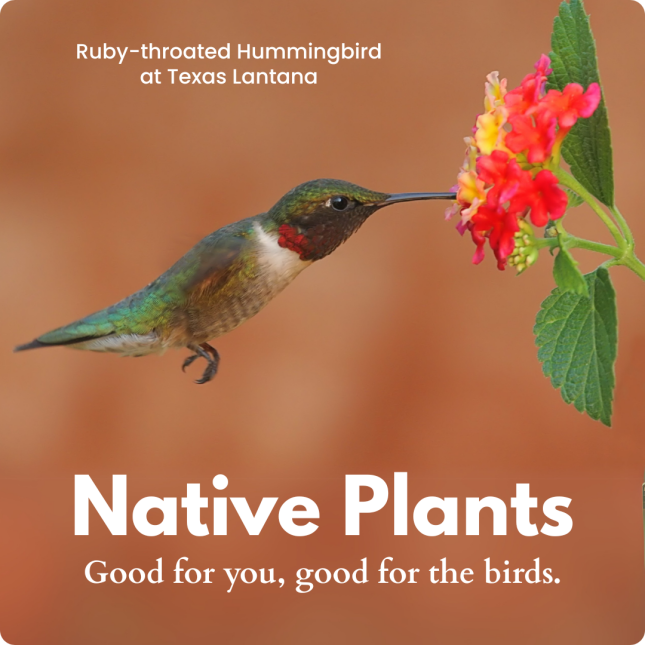
- Texas Lantana
Stop in to see our selection of native plants. We also list some local nurseries that specialize in natives on our Local Resources page.
Learn the Species You May See in the Rio Grande Valley
We're lucky to regularly see several species of hummingbird here in the RGV:
- Buff-bellied Hummingbirds are resident here. Pro tip: Their red bills help differentiate them from other similar-looking species.
- Ruby-throated Hummingbirds may stay all year, too, though we see more after spring migration.
- Black-chinned Hummingbirds were once mainly migratory, but are now also often seen year-round.
- Rufous Hummingbirds remain mainly migratory in the RGV.
But keep your eyes peeled—several other rare species have occasionally been spotted, such as the Mexican Violetear!
A great pair of birding binoculars will give you the best view—come test out our fantastic selection.
Fun Facts about Hummingbirds
- Male Ruby-throated Hummingbirds' iridescent throat feathers only look ruby red at the correct angle, appearing dark red or even black at other angles. Females and juveniles lack the ruby throat.
- Hummingbirds routinely fly around 30 mph, with their wings beating over 50 times a second.
- Their wings move in a figure-eight—not just up and down like other birds.
- They can stop on a dime, hover, and even fly backward and upside-down.
- Their legs are super short and their feet aren't well-developed, so they can't hop or even really walk, except to shuffle along a perch.
- They eat insects and insect eggs, including spiders—sometimes plucking spiders right from their webs.
- Their tongues can dart in and out of feeders up to 12 times per second.